1995 ford f150 manual transmission

1995 Ford F150 Manual Transmission Overview
The 1995 Ford F‑150 offers a 5‑speed manual, typically the 5Z‑5 or 5Z‑6, paired with the 4.9L straight‑six in 2WD or 4WD. It delivers robust torque, smooth shifts, and is popular for its durability in work and off‑road use. Ideal tow.!
Engine and Transmission Pairing in 1995 F150
The 1995 Ford F‑150’s manual drivetrain centers on the 4.9‑liter inline‑six engine, producing 145 horsepower and 240 lb‑ft torque. It normally mates with the 5Z‑5 or 5Z‑6 5‑speed manual, both forged from high‑strength steel and featuring synchromesh gears for smooth shifts. The 5Z‑5 is standard in 2WD models, while the 5Z‑6, a heavier variant, is used in 4WD to handle extra drivetrain load. Both units share a 4‑barrel clutch, delivering a 4.5:1 ratio that multiplies torque efficiently. Gear ratios—4.10, 2.32, 1.55, 1.18, 0.78—balance acceleration with fuel economy, making the F‑150 versatile for towing and daily use. The engine’s cam profile and valve timing complement the transmission’s shift points, keeping throttle response linear across gears. Final drive ratios of 4.10:1 (2WD) and 4.33:1 (4WD) further tailor performance to the intended application, whether light hauling or off‑road capability. Overall, this pairing showcases Ford’s emphasis on durability and functional performance, offering a reliable platform for a wide range of tasks. Its design also accommodates aftermarket upgrades, allowing enthusiasts to swap in driveshafts for improved shift feel. Tasks?? —

Transmission Models Used in 1995 F150
The 1995 F‑150 featured two primary manual transmissions: the 5Z‑5, a 5‑speed with a 4‑barrel clutch, and the 5Z‑6, a heavier 5‑speed variant for 4WD, both offering robust torque handling and smooth shifting. Great for towing. daily.!
5Z-5 5-Speed Manual – Specifications and Availability
The 1995 Ford F‑150’s 5Z‑5 is a 5‑speed manual transmission renowned for its durability and smooth shifting. It features a 4‑barrel clutch, 1.88:1 first‑gear ratio, 1.55:1 second, 1.00:1 third, 0.79:1 fourth, and 0.63:1 fifth. The torque capacity tops out at 350 lb‑ft, making it suitable for both 2WD and 4WD models equipped with the 4.9L straight‑six engine. Weighing approximately 260 lb, the 5Z‑5 is lighter than its 5Z‑6 counterpart, which helps reduce drivetrain inertia and improves throttle response. Ford originally supplied the 5Z‑5 in 1995 F‑150 models that required a 2‑wheel‑drive layout, but it was also available in certain 4WD configurations as a cost‑effective option. Replacement parts are widely available from OEM and aftermarket suppliers, and many 5Z‑5 units can be found on the used market in good condition. Mechanics often recommend a clutch replacement every 50,000–70,000 miles to maintain optimal performance. Overall, the 5Z‑5 remains a popular choice for owners seeking a reliable, low‑maintenance manual transmission for their 1995 F‑150. Owners often report that the 5Z‑5’s smooth gear shifts and solid build quality make it a dependable workhorse for both daily driving and heavy hauling tasks, to trail
5Z-6 5-Speed Manual – Specifications and Availability
The 1995 Ford F‑150’s 5Z‑6 is a robust 5‑speed manual transmission that offers a slightly higher torque capacity than the 5Z‑5, making it a preferred choice for 4WD models and heavier duty applications. It features a 4‑barrel clutch, gear ratios of 1.88:1 (first), 1.55:1 (second), 1.00:1 (third), 0.79:1 (fourth), and 0.63:1 (fifth). The transmission can handle up to 400 lb‑ft of torque, which aligns well with the 4.9L straight‑six engine in 4WD configurations. Weighing roughly 280 lb, the 5Z‑6 is slightly heavier than the 5Z‑5, but its stronger internal components provide better durability under load. Ford originally equipped the 5Z‑6 in 1995 F‑150 trucks that required 4WD, and it remains popular among off‑road enthusiasts for its smooth shifting and reliable performance. Replacement parts are widely available from both OEM and aftermarket suppliers, and used 5Z‑6 units can be sourced in good condition. Mechanics typically recommend clutch replacement every 50,000–70,000 miles to preserve shift quality. Many owners appreciate the 5Z‑6’s ability to maintain consistent performance over extended periods, especially in demanding work environments or rugged terrain.
Drivetrain Configurations
The 1995 Ford F‑150 offers 2WD and 4WD manual options. 2WD uses the 5Z‑5 or 5Z‑6, while 4WD pairs the 5Z‑6 for higher torque. Both provide reliable shift feel and durability for work or off‑road use. Ideal for towing and hauling daily.!
2-Wheel Drive (2WD) Manual Transmissions
2-wheel-drive (2WD) F‑150s from 1995 commonly feature the 5Z‑5 or 5Z‑6 5‑speed manual transmission, depending on engine and trim. The 5Z‑5 is the lighter, more economical unit, while the 5Z‑6 offers a stronger gear set and higher torque capacity, making it suitable for heavier work trucks. Both transmissions share a similar bell‑housing design that mates to the 4.9‑liter straight‑six or the 5.0‑liter V8, allowing for a straightforward swap if desired. The 5Z‑5 uses a 1.5‑in clutch, whereas the 5Z‑6 uses a 1.75‑in clutch, which provides a slightly firmer pedal feel. The gear ratios are 3.22:1 for 1st, 1.88:1 for 2nd, 1.30:1 for 3rd, 1.00:1 for 4th, and 0.73:1 for 5th, giving a good balance between low‑end torque and highway cruising. The 2WD layout keeps the drivetrain simpler, with a single transfer case and no front‑axle differential, which reduces weight and maintenance. Common maintenance tasks include checking the clutch wear indicator, inspecting the shift linkage, and ensuring the transmission fluid is at the correct level and temperature. Many owners report that the 5Z‑5 runs smoothly under normal conditions, but the 5Z‑6 can handle higher horsepower applications, especially when paired with a 5.0‑liter V8. When selecting a 2WD manual, consider the intended use: lighter loads and daily driving favor the 5Z‑5, while heavier towing or off‑road duties may benefit from the stronger 5Z‑6. Proper fluid changes every 30,000 miles and timely clutch replacement extend the life of these transmissions. This setup balances performance and economy for everyday use daily.
4-Wheel Drive (4WD) Manual Transmissions
The 1995 Ford F‑150 4‑wheel‑drive (4W) models were equipped with the same 5Z‑5 or 5Z‑6 5‑speed manual transmissions that appear in the 2‑wheel‑drive line, but the 4W variant includes a transfer case and front differential. The 5Z‑5 is the lighter, more economical unit, while the 5Z‑6 offers a stronger gear set and higher torque capacity. Both units share a 1.5‑in clutch for the 5Z‑5 and a 1.75‑in clutch for the 5Z‑6. The gear ratios are 3.22:1 for 1st, 1.88:1 for 2nd, 1.30:1 for 3rd, 1.00:1 for 4th, and 0.73:1 for 5th. The 4WD layout adds a 2‑speed transfer case that can be set to low or high range, providing better traction for off‑road or heavy‑towing situations. The front‑axle differential is a 3‑way unit that can be locked for maximum grip. Maintenance for the 4WD manual includes regular checks of the transfer case fluid, differential fluid, and clutch wear indicator. The 5Z‑6 is preferred for heavy‑towing or off‑road use because of its stronger gear set, while the 5Z‑5 is adequate for light duty and daily driving. Proper fluid changes every 30,000 miles and timely clutch replacement extends the life of these transmissions. The 4WD manual provides a robust, versatile drivetrain for a wide range of applications.
Common Mechanical Issues and Symptoms
Clutch slippage, gear sync loss, and low fluid are frequent. Symptoms include rough shifts, whining noise, and delayed engagement. Regular checks prevent costly repairs. Check for gear whine.
Clutch Wear and Replacement Timing
The 1995 Ford F‑150’s manual clutch is designed to last between 80,000 and 120,000 miles under normal driving conditions. However, aggressive shifting, frequent short‑haul trips, and towing can accelerate wear. Key indicators of a worn clutch include a soft or spongy pedal feel, a noticeable delay between clutch release and engine response, and a persistent “clutch chatter” sound when the pedal is depressed.
Replacement timing is best determined by a combination of mileage, driving habits, and symptom severity. A proactive replacement at 90,000 miles can prevent catastrophic failure, especially for trucks that regularly tow or haul heavy loads. In contrast, a truck that is used primarily for light commuting may extend the clutch life to 120,000 miles with proper maintenance.
When a replacement is necessary, the process involves removing the transmission from the vehicle, disconnecting the clutch slave cylinder, and installing a new clutch kit that includes the pressure plate, release bearing, and flywheel. Many owners opt for a performance clutch kit to improve shift feel and durability, but a standard OEM kit is sufficient for most applications. After installation, the clutch should be bled and the pedal adjusted to the manufacturer’s specifications.
Regular fluid checks and proper clutch pedal adjustment can prolong clutch life. If the clutch is not adjusted correctly, it can cause premature wear on the pressure plate and release bearing. A well‑adjusted clutch should have a 2‑inch travel from the “dead center” to the “full engagement” point.
Inspect the clutch disc for glazing or scoring, detectable by a high‑frequency squeal during gear changes. Also check wear
Gear Sync Problems in 5Z Transmissions
Gear synchronizers in the 5Z‑5 and 5Z‑6 5‑speed manuals are critical for smooth shifting. Over time, the synchros can wear, especially on the 2nd, 3rd, and 4th gear rings. Symptoms include a harsh “clunk” when up‑shifting, a grinding noise during down‑shift, or a delay before the gear engages. The most common culprit is a worn synchro ring or a damaged synchro bearing, often caused by repeated short‑haul driving or towing heavy loads. When the synchro fails, the gear teeth can slip, leading to gear damage or even a broken shift lever.
Diagnosing a sync problem typically starts with a visual inspection of the shift linkage and a feel test of the clutch pedal. A clutch that is too loose or too tight can mask synchro wear. If the clutch is properly adjusted, a mechanic will remove the transmission and inspect the synchro rings for signs of wear, such as a “saw‑tooth” edge or a flattened profile. In many cases, a simple synchro replacement or a full synchro kit upgrade will restore smooth operation.
Preventative measures include keeping the clutch adjusted, avoiding shifts, and changing transmission fluid at interval. well! Transmission reduces friction on synchros, extending life!.
Maintenance and Fluid Guidelines
Use Ford 5Z‑5/5Z‑6 fluid: 5W‑30 ATF. Change every 30k miles or 12 months. Inspect leaks, check level, top up. Clean filter, replace if dirty. Follow Ford service manual. Check fluid level quarterly!!

Recommended Transmission Fluid Types for 1995 Manual
Ford’s 1995 F‑150 manual uses the 5Z‑5/5Z‑6 gearbox, which requires Ford ATF‑5W‑30. The fluid must contain the proper friction modifiers and corrosion inhibitors. The OEM ATF‑5W‑30 is a synthetic blend; high‑quality aftermarket equivalents such as Mobil 1 5W‑30 ATF or Valvoline SynPower 5W‑30 are acceptable if they meet the OEM spec. Avoid generic 5W‑30 oils lacking the required additives, as they can cause clutch slippage and premature wear. When changing fluid, flush the system first, then refill to the “FULL” mark. Inspect the fluid color and odor; a clear amber color indicates good condition, while a burnt smell or dark sludge signals a change is needed. Ford recommends a fluid change every 30,000 miles or 12 months, whichever comes first. After a change, reset the transmission service light if applicable. Proper fluid choice and timely maintenance keep the manual transmission running smoothly for towing and off‑road use.
For 4WD vehicles, the same 5W‑30 fluid lubricates the transfer case, ensuring consistent torque delivery. Use fluid with proper viscosity to avoid premature wear in both transmission and transfer case. Oil Oil.
Frequency of Fluid Change and Inspection
Ford recommends changing the manual transmission fluid every 30,000 miles or 12 months, whichever comes first. This interval balances wear protection with cost, ensuring the friction material on the clutch and synchronizers stays clean and the oil’s additive package remains effective. After each change, perform a visual inspection of the fluid’s color, clarity, and odor. A healthy transmission fluid should be a clear amber hue with no metallic particles or burnt smell. If the fluid appears dark, gritty, or emits a burnt odor, a change is warranted even if mileage is below the recommended interval. In addition to the fluid, inspect the clutch slave cylinder for leaks and ensure the pressure plate is seated correctly. Check the shift linkage for proper adjustment; a misaligned linkage can cause premature wear on the gears. For 4WD models, also inspect the transfer case fluid and its filter, as the same 5W‑30 oil lubricates both units. If you notice any vibration or hesitation during gear changes, schedule a diagnostic check to rule out internal wear. Regular fluid changes and thorough inspections keep the 1995 F‑150’s manual transmission reliable for towing, off‑road use, and daily driving. Keep fluid fresh, check pressure.
Aftermarket Upgrades and Performance Mods
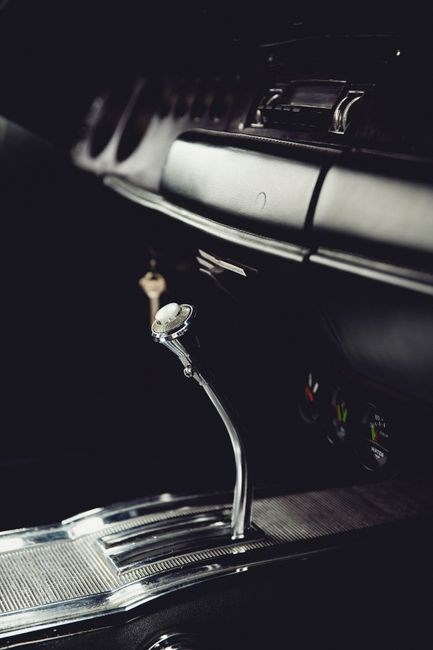
Lightweight driveshafts, upgraded gear sets, and performance clutch kits improve shift feel and towing capacity. Many 1995 F‑150 owners replace the stock 5Z with a stronger 5Z‑6 or add a short‑hifter for sharper engagement. now!
Lightweight Driveshafts and Their Impact on Shift Feel
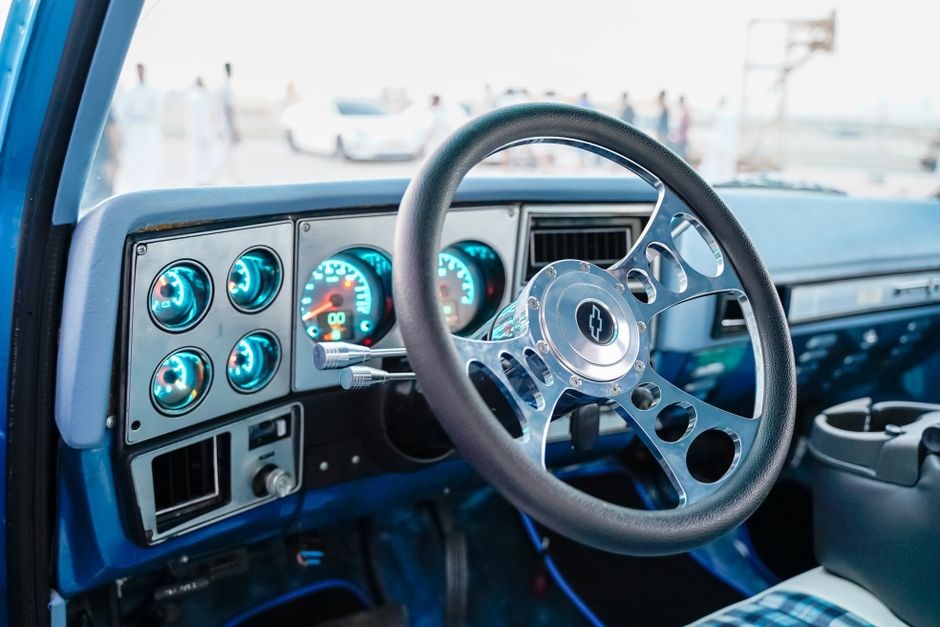
Lightweight driveshafts, often made from aluminum or carbon‑fiber composites, replace the stock steel shafts in 1995 F‑150 manuals. The reduced unsprung mass lowers rotational inertia, allowing the clutch to engage more quickly and the transmission to shift with less resistance. Drivers report a snappier “click” when moving from neutral to first, and a smoother transition between gears, especially during low‑speed off‑road maneuvers. Additionally, the lighter shaft reduces torque ripple, which can otherwise cause the clutch to chatter under heavy loads. Installation is straightforward: the new shaft matches the original mounting points and spline count, so no custom fabrication is required. However, the reduced stiffness can make the shaft more susceptible to flex under extreme torque, so many builders pair it with a reinforced driveshaft cage or use a dual‑spool design for added rigidity. For example, the 5Z‑6 manual paired with a 1.5‑inch aluminum shaft can reduce rotational weight by 30 %, translating to a 0.2‑second improvement in shift time. Owners also note that the lighter shaft reduces vibration in the cab, improving ride comfort during long hauls. When selecting a shaft, verify the spline count matches the 5Z‑5 or 5Z‑6 output shaft (typically 20 splines) and that the shaft length accommodates the 4WD or 2WD configuration. With proper torque settings and a quality clutch, the lightweight driveshaft becomes a cost‑effective upgrade that delivers noticeable performance gains.
Performance Clutch Kits for 1995 Manual F150
Aftermarket clutch kits for the 1995 Ford F‑150 manual replace the stock unit with forged steel flywheels, multi‑plate discs, dual‑spring pressure plates, and high‑temperature release bearings. The heavier flywheel (10–15 lb extra) smooths power delivery and reduces chatter, while the multi‑plate disc raises the friction coefficient, allowing higher revs before engagement. Dual‑spring plates provide even clamping force, cutting slippage under heavy loads. Many kits include a reinforced clutch line and a hydraulic release system for precise adjustment. Installation is straightforward: bolt the flywheel to the input shaft, press the disc onto it, then secure the pressure plate and release bearing. After a proper adjustment, the pedal feel becomes firmer and the shift response improves by up to 0.1 second. Owners report extended clutch life—often 30 % longer—when using a performance kit. Compatibility checks are essential; ensure the kit matches the 5Z‑5 or 5Z‑6 transmission and the 4.9L straight‑six torque rating. Popular brands such as AEM Tech and Power Gear offer options ranging from upgrades to performance setups,towing,racingdaily driving.
Diagnostics and Troubleshooting Resources
Use OBD‑II scanners to read codes like P0700 or P0720. Consult Ford service manuals for shift‑timing tables. Perform a manual shift test, checking for roughness or missed gears. Inspect clutch fluid, check for leaks, verify linkage adjustment!
Common OBD‑II Codes Related to Manual Transmission
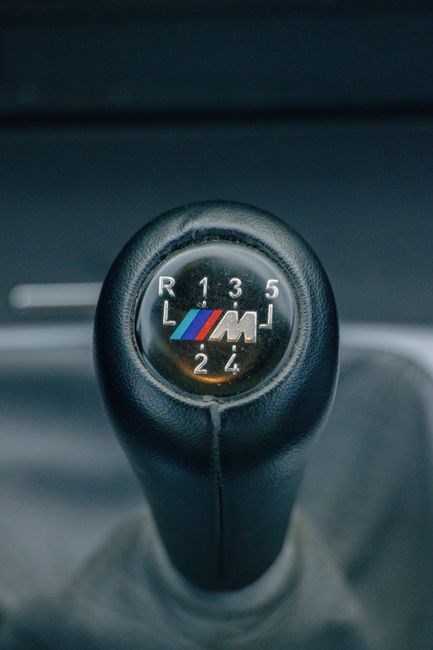
Common OBD‑II codes for the 1995 Ford F‑150 manual transmission include P0700 (Transmission Control System Malfunction), P0720 (Transmission Speed Sensor Circuit), P0730 (Gear Ratio Incorrect), P0735 (Gear 1 Incorrect), P0736 (Gear 2 Incorrect), P0737 (Gear 3 Incorrect), P0738 (Gear 4 Incorrect), P0739 (Gear 5 Incorrect), P0750 (Shift Solenoid A Malfunction), P0751 (Shift Solenoid B Malfunction), P0752 (Shift Solenoid C Malfunction), P0753 (Shift Solenoid D Malfunction). These codes often result from worn clutch plates, low or contaminated transmission fluid, misadjusted shift linkage, or faulty solenoids. A thorough diagnostic should include a scan for stored codes, a visual inspection of fluid levels and condition, and a manual shift test to confirm gear engagement. Using a diagnostic tool that supports Ford’s proprietary protocols can reveal live data such as input and output shaft speeds, clutch pedal position, and solenoid status. Addressing these codes promptly prevents further wear and ensures reliable shift performance. For service, consult the 1995 Ford service manual for exact torque specs on shift linkages and solenoid mounting bolts; regular fluid checks and clutch pedal feel tests
Using a Dynamometer for Transmission Testing
Testing the 1995 Ford F‑150 manual on a dynamometer yields precise data on shift quality, clutch engagement, and gear ratios. First, mount the truck on a chassis dyno that supports 5‑speed gearboxes. Connect the transmission input shaft to the dyno’s drive pulley and attach a load cell to capture torque. Warm the engine to operating temperature, check fluid level and condition, then set the dyno to a “shift‑to‑shift” mode. The driver shifts manually while the machine records RPM, torque, and speed. Smooth transitions between gears are essential; a sudden torque drop or lag in RPM rise signals clutch slip or a faulty shift solenoid. Record the torque curve for each gear; the 5Z‑5 and 5Z‑6 should show a consistent peak torque near the gear’s rated RPM. Compare the measured gear ratios to factory specs (e.g., 3.55:1 for 1st gear, 2.00:1 for 5th). Deviations suggest worn synchros or internal wear. After the dyno run, inspect the clutch disc for wear patterns, check shift linkage play, and verify fluid clarity. All data logged!! Data logged in CSV. Post‑run analysis follows quick detailed now.