2019 subaru forester maintenance schedule pdf

Discover how to keep your 2019 Subaru Forester in peak condition with the official maintenance schedule PDF. This guide outlines key service intervals, how to locate the document online, and tips for staying ahead of wear. Follow the steps below to stay on track. Remember consult dealer for updates today.
Locating the 2019 Forester Maintenance PDF
Find the 2019 Forester maintenance schedule PDF via Subaru’s official site, MySubaru.com, or by contacting a dealer. The PDF lists service intervals, fluid changes, and tire rotations. If unavailable, request a digital copy from a local dealership or the parts counter. Download it for quick reference
Subaru Dealer and MySubaru.com


Subaru dealers are the primary source for the official 2019 Forester maintenance schedule PDF. When you visit a dealership, ask the service advisor or parts counter for a digital copy; many dealers can email or upload the PDF directly to your email or USB drive. If the dealer cannot locate the file, they can order it from Subaru’s parts distribution center, which typically takes 1–2 business days. The PDF is the authoritative reference for all recommended service intervals, fluid specifications, and tire rotation guidelines.
MySubaru.com offers a maintenance section that lists recommended intervals and work items for each model year, but it does not host the PDF itself. To access the PDF via MySubaru, log in with your Subaru owner account, navigate to the “Owner’s Manual” or “Maintenance” tab, and look for a link labeled “Maintenance Schedule PDF.” If the link is missing, use the site’s search function or contact customer support for assistance. The site also provides printable checklists and service reminders that can be customized to your driving habits;
For owners who prefer a physical copy, most dealers can print the PDF on demand. Additionally, the Subaru Owners Forum often shares user‑generated PDFs, but these may not be up‑to‑date or fully accurate. Therefore, always verify the document against the latest dealer‑issued version before scheduling maintenance.
Owners can also use the Subaru Owner’s Manual, which is available on the official website and includes a maintenance schedule table. Downloading the manual allows you to view the schedule in PDF format, and you can bookmark or print specific sections for quick reference during routine service visits. Keep the manual in your glove compartment for easy access. Never miss service! Check often!

Essential Maintenance Intervals
The 2019 Forester’s core service schedule centers on 6,000‑mile intervals for oil, filter, and tire rotation, plus periodic checks of brakes, fluids, and battery. Follow the PDF for exact timing, ensuring optimal performance and safety on every drive.—stay safe.!!!
Oil and Filter Change (6,000 miles)
At every 6,000‑mile service, the 2019 Forester requires a synthetic oil change and a new filter to maintain engine health. The recommended oil is 0W‑20 or 5W‑20, depending on climate, and the filter should be a Subaru‑approved part. This interval aligns with the manufacturer’s warranty and keeps the oil’s viscosity optimal for both cold starts and high‑temperature operation. During the change, technicians will also inspect the oil level, drain plug, and filter housing for leaks. If the vehicle has been driven in harsh conditions—such as dusty roads, heavy traffic, or extreme temperatures—an earlier change may be advised. The service also includes a quick check of the oil pressure gauge and a visual inspection of the engine for any signs of wear or damage. Proper oil maintenance reduces engine wear, improves fuel economy, and extends the life of the Forester’s internal components. For a detailed list of steps, consult the official PDF or a certified Subaru dealer. Remember to recycle the used oil responsibly;
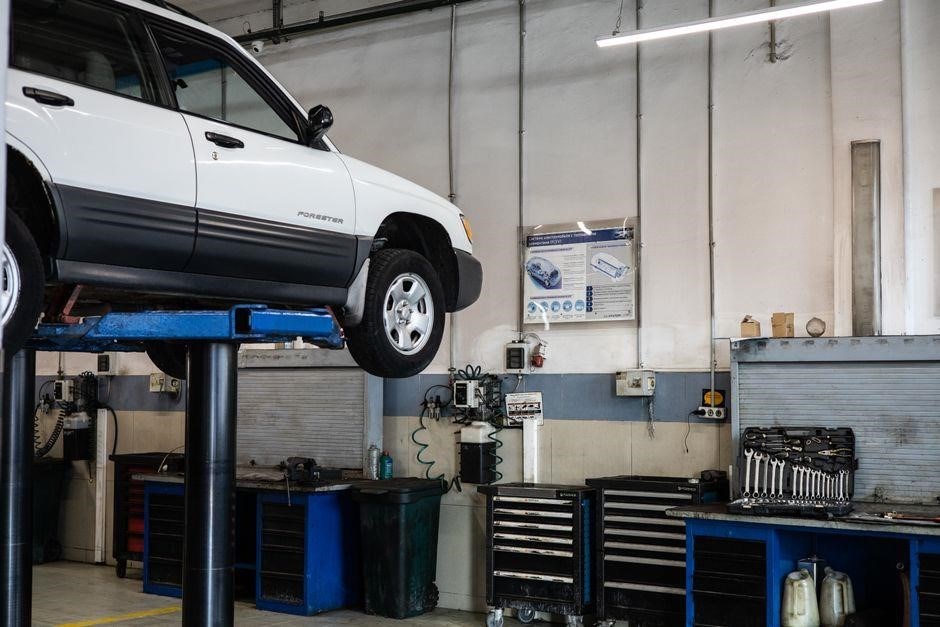
The 0W‑20 synthetic oil used in the Forester provides low‑temperature flow and high‑temperature protection, reducing friction and wear. A typical oil change cycle includes draining the old oil, replacing the drain plug gasket, installing a fresh filter, and refilling to the specified level. Technicians also check the oil pressure sensor and verify that the oil level gauge reads within the recommended range. Properly maintaining the oil not only preserves engine longevity but also helps meet Subaru’s emissions standards, ensuring the vehicle remains reliable and eff. time.

Tire Rotation and Balancing (every 6,000 miles)
Every 6,000 miles, the 2019 Forester’s tires should be rotated and balanced to promote even wear, extend tread life, and maintain optimal handling; The standard rotation pattern for this model is front‑to‑rear on the same side, then cross‑over on the opposite side, ensuring that the front tires, which endure more braking and steering forces, receive the freshest tread. After rotation, a full wheel balancing process corrects any weight distribution issues that could cause vibration or uneven tire wear. Technicians use a precision balancing machine to add or remove small weights from the rim, ensuring the tire remains level during high‑speed operation. This service also includes a visual inspection of each tire for cuts, bulges, or sidewall damage, and a check of the tire pressure against the manufacturer’s recommended psi. Maintaining proper pressure not only improves fuel economy but also reduces the risk of blowouts. If the vehicle has been driven in harsh conditions—such as gravel roads or heavy traffic—an earlier rotation may be beneficial. The combined rotation and balancing service is typically performed during the oil and filter change, saving time and ensuring all maintenance tasks are addressed in a single visit. For a detailed procedure, refer to the official maintenance PDF or contact a Subaru dealer. Additionally, the Forester’s all‑wheel‑drive system benefits from balanced tires, as imbalance can lead to increased drivetrain wear. Regular balancing also helps keep the vehicle’s suspension components in good condition by reducing vibration that can accelerate wear on bushings and mounts. When tires are rotated, the tread pattern on each wheel is aligned with the vehicle’s driving dynamics, which can improve traction during acceleration and braking. The tire manufacturer’s recommended tread depth for the Forester is 2/32 of an inch, and if any tire falls below this depth, replacement is advised. Finally, a quick check of the wheel alignment angles—especially camber and toe—can catch early misalignment issues that may otherwise cause uneven tire wear or steering pull. Keeping these checks in line with the 6,000‑mile schedule ensures a safer, more efficient driving experience. Subaru recommends using tires with a tread pattern designed for all‑weather performance, such as the Pirelli P Zero or Bridgestone Potenza, which provide reliable grip in both wet and dry conditions. If the vehicle has a snow‑tire set, rotation should be done separately for each set. Some owners opt for a tire rotation every 4,000 miles during heavy use; however, the manufacturer’s guideline remains 6,000 miles. The balancing machine can detect up to 0.01‑inch weight discrepancies, ensuring smooth operation at speeds up to 100 mph. After balancing, a final torque check of the wheel lug nuts ensures they are tightened to 80 ft‑lb, preventing wheel loosening. All these steps are documented in the maintenance PDF and can be verified during a service appointment.
Brake Pad Replacement (based on wear)
Brake pads on the 2019 Forester are engineered to endure between 30,000 and 50,000 miles, yet real‑world longevity hinges on driving habits, terrain, and climate. Subaru recommends inspecting pads at every 6,000‑mile interval or whenever the brake warning light illuminates, as this indicates a critical wear threshold. A pad thickness of 3 mm or less is the industry standard for safe replacement, and pads below this measurement should be swapped immediately to prevent rotor damage. OEM pads provide optimal friction and heat dissipation, but high‑performance aftermarket options can offer enhanced stopping power for spirited driving, though they may wear faster. During a pad replacement, the mechanic should also examine the rotors for scoring, warping, or surface cracks exceeding 0.5 mm; any such defects warrant rotor replacement to avoid uneven braking and noise. After installing new pads, a brake fluid flush is advised every 30,000 miles to eliminate moisture and maintain hydraulic integrity, especially in humid regions where condensation can accumulate. The brake system should be checked for leaks, and the parking brake should engage fully; a malfunctioning parking brake can compromise safety during long descents. Drivers who frequently navigate stop‑and‑go traffic or steep grades may benefit from a more aggressive schedule, replacing pads every 20,000 miles to avoid premature wear and costly rotor damage. Always follow the manufacturer’s guidelines and keep a log of all services to ensure the Forester’s longevity and maintain resale value for peace of mind.
Seasonal Maintenance Guidance
Winter: Check antifreeze, battery, tires, and add winter tires if needed. Inspect brakes and replace pads if <3 mm. Summer: Verify coolant, inspect tires for wear, and ensure brakes are in good condition. Keep fluid levels topped off and schedule a service check. Track mileage service dates for warranty!
Winter Preparation (fluids, battery, tires)
Before the first snowfall, inspect the coolant level and ensure the antifreeze mixture is 50/50 with water, or use the recommended Subaru blend. Replace the battery if it’s older than three years or if the voltage drops below 12.6 V when cold. Check tire tread depth; if it’s below 3 mm, replace or add winter tires for better traction. Inspect the brake pads for wear; if the pad thickness is less than 3 mm, schedule a replacement. Verify the oil level and top off if needed, and consider a synthetic oil change if you drive in harsh conditions. Finally, clean the windshield wipers and replace them if the blades are cracked or streaking, and ensure the washer fluid is winter‑grade to prevent freezing. These steps will help keep your Forester safe and reliable during the cold months. Additionally, check the heater core and ensure the heating system is functioning properly; a clogged heater core can reduce cabin warmth. Inspect the cabin air filter and replace it if it’s dirty to maintain good air quality. Examine the battery terminals for corrosion, clean them with a baking‑soda solution, and re‑tighten the connections. Verify that the spare tire is properly inflated and that the jack and lug wrench are in good condition. If you use snow chains, test them for wear and ensure they are stored in a dry place. Check the headlight bulbs and replace any that are dim or burned out to maintain visibility on icy roads. Also, inspect the brake fluid level and top it up if below the minimum mark; low brake fluid can compromise braking performance. Check the power steering fluid and replace if it appears cloudy or has a burnt smell. Verify the transmission fluid level and condition; a milky or dark fluid may indicate a need for a fluid change. Don’t forget to check the coolant reservoir for any leaks and inspect hoses for cracks or bulges. Ensure the windshield washer reservoir is full and the fluid is antifreeze‑grade. Finally, test the vehicle’s parking brake to confirm it holds securely. By following these comprehensive checks, you’ll reduce the risk of unexpected failures and enjoy a smoother, safer winter driving experience.
Summer Preparation (coolant, tires, brakes)
As temperatures climb, the 2019 Subaru Forester’s cooling system, tires, and braking components demand extra attention. First, confirm the coolant reservoir is full and the mixture is the correct 50/50 antifreeze to water ratio, or use Subaru’s recommended blend. Inspect hoses for cracks or bulges; replace any that show wear. Next, examine tire tread depth—if it’s under 4 mm, consider summer or all‑season tires for optimal grip on hot roads. Verify tire pressure; higher temperatures can inflate tires, so adjust to the manufacturer’s recommended psi. Check the brake pads for wear; if the pad thickness is below 3 mm, schedule a replacement before the heat causes excessive wear. Inspect brake fluid; low fluid can lead to reduced braking power. Replace the fluid if it’s cloudy or contains debris. Also, test the brake calipers for smooth operation; any squeaking or grinding indicates a need for service. Inspect the wheel bearings for noise; a humming sound while driving can signal a bearing issue. Ensure the suspension components—shocks, struts, and bushings—are in good condition; worn parts can affect handling in hot weather. Check the engine oil level and top off if necessary; synthetic oil can handle higher temperatures better. Finally, clean the windshield wipers and replace them if streaking occurs, and refill the washer reservoir with a winter‑grade fluid to prevent freezing in case of sudden cold spells. By addressing these items, you’ll keep your Forester safe, efficient, and comfortable during the summer months. After the service, perform a brief test drive to confirm all systems respond correctly and that handling feels stable on varied roads fast! now OK.

Warranty and Service Options
Subaru’s 3‑year/36,000‑mile bumper‑to‑bumper warranty covers most parts, while the 5‑year/60,000‑mile powertrain warranty protects the engine and transmission. Dealers offer extended plans, such as Firestone’s 10‑year/120,000‑mile coverage, to keep maintenance predictable. extend to 8‑year/100,000‑mile.
Standard Warranty Coverage
Subaru’s standard warranty for the 2019 Forester includes a 3‑year/36,000‑mile bumper‑to‑bumper guarantee that protects most components, such as body panels, electrical systems, and interior trim. The powertrain portion extends 5 years or 60,000 miles, covering the engine, transmission, and drivetrain. This coverage also includes a 7‑year/100,000‑mile roadside assistance program. Parts and labor are covered for any defect that appears within the warranty period, provided the vehicle has been maintained according to the recommended schedule and the owner has not performed unauthorized modifications. The warranty does not cover wear items like brake pads, tires, or routine fluid changes, which must be maintained per the maintenance schedule PDF. Owners should keep a log of all service appointments and retain receipts, as these documents are required for warranty claims. For international buyers, Subaru offers a 3‑year/36,000‑mile warranty that can be converted to local currency and mileage equivalents. The warranty can be transferred to a new owner if the vehicle is sold within the coverage period, ensuring continued protection. For more details, consult the dealer’s warranty booklet or the official Subaru website. Owners are encouraged to review the warranty booklet for exclusions, such as modifications that alter the vehicle’s configuration. Subaru offers a roadside assistance plan covering towing, battery jump‑start, and lock‑out services. For vehicles purchased outside the U.S., warranty terms may differ, so consult the local Subaru dealer for details. Maintaining accurate service logs and adhering to recommended intervals will help ensure warranty coverage remains intact throughout the vehicle’s life. This includes all manufacturing defects and related components. Ok.
Extended Service Plans (e.g., Firestone)
For owners seeking peace of mind beyond the standard warranty, Firestone Complete Auto Care offers a range of extended service plans tailored to the 2019 Subaru Forester. These plans bundle routine maintenance—oil changes, filter replacements, tire rotations, brake inspections, fluid top‑offs, and more—into a single, predictable monthly or quarterly fee. The most popular option, the “Full Coverage” plan, covers all scheduled services up to 60,000 miles or 5 years, whichever comes first, and includes complimentary tire rotations, fluid checks, and a complimentary inspection of the vehicle’s critical systems!! A secondary “Essential” plan focuses on core maintenance items such as oil changes, air filter swaps, and brake pad checks, and is priced lower to accommodate budget‑conscious drivers. Firestone’s plans also feature a “Roadside Assistance” add‑on that provides 24/7 towing, battery jump‑start, lock‑out services, and flat‑tire repairs. Each plan is customizable: owners can add or remove specific services, choose the interval that best fits their driving habits, and even opt for a “Lifetime” coverage that extends beyond the 60,000‑mile limit. The plans are available online through the Firestone website or at any Firestone location, and a free quote is provided after a brief vehicle data entry. By enrolling in an extended service plan, Forester owners can avoid unexpected repair costs, maintain a consistent maintenance schedule, and keep the vehicle in optimal condition for years to come. All plans are backed by Firestone’s nationwide network