manual shifter assembly

Manual shifter assemblies are crucial components‚ enabling drivers to select gears and control vehicle speed with precision and a direct connection.
What is a Manual Shifter Assembly?
A manual shifter assembly is the system within a vehicle that allows the driver to manually select different gears in the transmission. It’s more than just the gear stick itself; it’s a carefully engineered collection of parts working in harmony.
Essentially‚ it translates the driver’s hand movements into mechanical actions within the transmission. This assembly typically includes the shift knob‚ the shift boot‚ the linkage (either cables or direct rods)‚ the shift fork‚ and selector rods. These components work together to move the synchronizers‚ ultimately engaging the desired gear.
Unlike automatic transmissions‚ a manual system requires the driver to actively participate in the gear selection process‚ providing a more engaging and connected driving experience. The quality and precision of the shifter assembly significantly impact the feel and smoothness of gear changes.
Historical Overview of Manual Transmissions
The roots of manual transmissions trace back to the late 19th century‚ coinciding with the invention of the automobile itself. Early vehicles relied on complex lever systems‚ a far cry from modern shifter assemblies. These initial designs were often clunky and required significant driver effort.
Over the decades‚ advancements focused on improving ease of use and efficiency. The introduction of synchromesh technology in the 1920s was a pivotal moment‚ dramatically reducing gear clash and smoothing shifts. Post-World War II saw widespread adoption of fully synchronized manual transmissions.
Throughout the mid-20th century‚ manual transmissions were dominant. However‚ the rise of automatic transmissions began in the 1950s‚ offering convenience. Despite this‚ manuals remained popular for their driver engagement and fuel efficiency‚ evolving into the refined systems we know today.

Components of a Manual Shifter Assembly
Manual shifter assemblies comprise several key parts: the shift knob‚ linkage‚ shift forks‚ synchronizers‚ and related hardware‚ working in harmony.
The Shift Knob & Boot
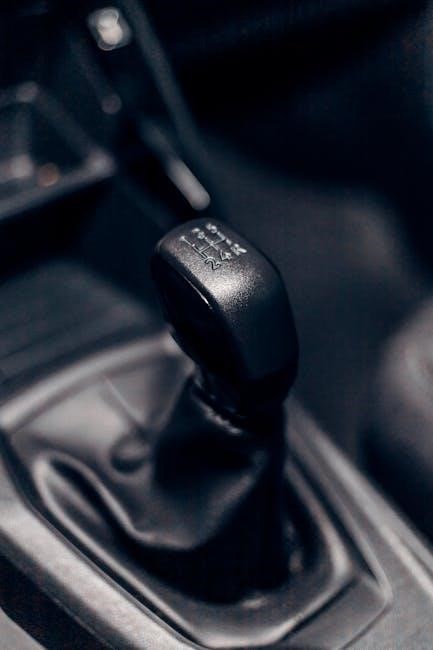
The shift knob is the driver’s direct interface with the manual transmission‚ available in diverse materials like metal‚ plastic‚ or wood‚ influencing feel and aesthetics.
Beyond aesthetics‚ knob weight impacts shifting effort; heavier knobs can offer a more substantial feel‚ while lighter ones provide quicker movements. The shift boot‚ typically made of leather or synthetic materials‚ surrounds the shifter base.
Its primary function is to prevent debris‚ dust‚ and unwanted elements from entering the transmission. A worn or damaged boot can lead to a gritty shifting experience and potential internal damage. The boot also contributes to cabin sound insulation‚ reducing noise from the transmission. Proper fit and secure attachment are vital for optimal performance and longevity.
Shift Linkage – Cables vs. Direct Linkage
Shift linkage transmits the driver’s movements from the shifter to the transmission. Two primary types exist: cable-operated and direct linkage.
Cable systems utilize steel cables housed within protective sheaths‚ offering flexibility in shifter placement and simplifying installation‚ particularly in front-wheel-drive vehicles. However‚ they can exhibit some inherent play‚ potentially leading to a less precise feel.
Direct linkage‚ employing solid rods and levers‚ provides a more direct and responsive connection. This results in a crisper‚ more accurate shifting experience favored by performance enthusiasts. Direct linkage requires precise alignment and is typically found in rear-wheel-drive applications. Maintenance involves checking for wear and ensuring proper lubrication to maintain optimal performance and prevent binding.
The Shift Fork & Selector Rods
Shift forks and selector rods are integral to the internal gear selection process within the transmission. Selector rods‚ connected to the shift linkage‚ move in response to driver input.
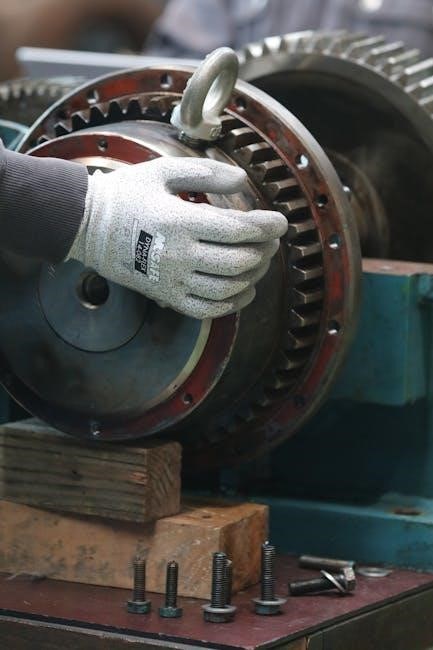
These rods engage with the shift forks‚ which are y-shaped levers. The forks then slide the synchronizer sleeves along the main shaft or countershaft‚ enabling gear engagement. Precise movement and alignment are critical; any binding or wear can cause difficulty shifting or damage to the transmission.
Shift forks are typically made of hardened steel to withstand substantial forces. Regular inspection for wear‚ bending‚ or damage is essential during transmission service. Proper lubrication minimizes friction and ensures smooth‚ reliable gear changes.
Synchronizers: Ensuring Smooth Gear Changes
Synchronizers are vital components within a manual transmission‚ responsible for matching the speeds of the gears before engagement. Without them‚ shifting would result in harsh grinding and potential damage.
They utilize friction cones and a blocking ring to equalize rotational speeds. As the shift fork moves the synchronizer sleeve‚ the cone contacts the gear‚ creating friction. This friction brings the gear up to speed with the main shaft before the teeth fully engage.
Worn synchronizers cause grinding‚ especially when shifting quickly. They consist of several parts prone to wear‚ including the cone‚ blocking ring‚ and sleeve. Proper lubrication is crucial for their function and longevity‚ ensuring seamless and quiet gear transitions.

How a Manual Shifter Assembly Works
The assembly translates driver input into gear selection‚ utilizing linkage and internal mechanisms to smoothly disengage and engage gears for optimal power transfer.
Driver Input & Linkage Activation
The process begins with the driver intentionally moving the shift knob‚ initiating the entire gear-changing sequence. This seemingly simple action applies force to the shift linkage – a system of rods or cables – directly connected to the transmission.
The linkage’s design dictates how accurately and efficiently this force is transmitted. Cables offer flexibility in routing‚ while direct linkages provide a more precise‚ connected feel. As the driver moves the shifter‚ the linkage correspondingly pushes or pulls‚ activating the appropriate selector rod within the transmission.
This initial movement is critical; it’s the first step in disengaging the current gear and preparing for the selection of a new one‚ all stemming from the driver’s deliberate input.
Selecting the Gear – Internal Mechanism
Within the transmission‚ the selector rod‚ activated by the linkage‚ engages with the shift fork. This fork then slides a synchronizer sleeve along the gear shaft. The synchronizer’s crucial role is to match the rotational speed of the selected gear to the output shaft‚ preventing grinding.
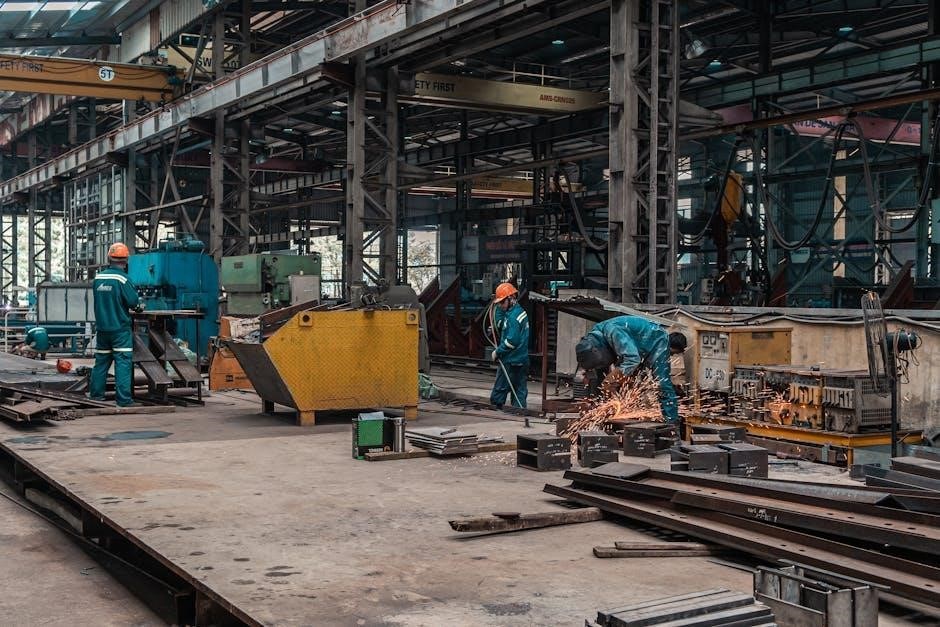
Once speeds are synchronized‚ the sleeve locks the selected gear to the shaft‚ effectively transferring power through that gear ratio. Different gear ratios provide varying levels of torque and speed.
This internal dance‚ orchestrated by the driver’s initial input‚ is a precise mechanical process‚ ensuring smooth and efficient power delivery. The entire system relies on accurate engagement and synchronization for optimal performance.
Disengaging & Engaging Gears
Disengaging a gear involves the shift fork moving the synchronizer sleeve away from the currently engaged gear. This breaks the lock between the gear and the output shaft‚ momentarily interrupting power transfer. Simultaneously‚ the driver prepares to select the next gear ratio.
Engaging a gear is the reverse process. The shift fork moves the synchronizer sleeve towards the desired gear‚ initiating the synchronization process. Once synchronized‚ the sleeve locks the gear to the shaft‚ re-establishing power flow through the new gear ratio.
This continuous cycle of disengagement and engagement‚ facilitated by the manual shifter assembly‚ allows the driver to adapt to changing driving conditions and maintain optimal engine performance.
The Role of the Clutch
The clutch is fundamentally linked to the manual shifter assembly‚ acting as a temporary disconnector between the engine and the transmission. When the clutch pedal is depressed‚ it disengages the engine’s power from the transmission’s input shaft‚ allowing for smooth gear changes.
Without clutch disengagement‚ attempting to shift gears would result in significant grinding and potential damage to the transmission components. The clutch enables the synchronizers within the shifter assembly to function effectively‚ matching the speeds of the gears.
Releasing the clutch pedal gradually re-engages the engine‚ smoothly transferring power through the newly selected gear ratio.
Common Issues with Manual Shifter Assemblies
Shifter assemblies can develop problems like difficult gear engagement‚ grinding noises‚ looseness‚ or linkage failures‚ impacting driving experience and requiring attention.
Difficulty Shifting Gears
Experiencing resistance when attempting to change gears is a frequent complaint with manual transmissions. This can manifest as a general stiffness across all gears‚ or be isolated to specific gears‚ like second or third. Several factors contribute to this issue. Worn synchronizers‚ responsible for matching gear speeds‚ are a primary culprit‚ causing a clash and making engagement difficult.
Low or contaminated transmission fluid can also increase friction within the gearbox‚ hindering smooth shifting. A stretched or damaged shift linkage – whether cable or direct – prevents the shifter from fully engaging the selector forks. Internal wear within the transmission itself‚ such as worn dogs on the gears‚ can also contribute. Finally‚ a failing clutch‚ not fully disengaging‚ can make shifting problematic‚ as the gears remain partially engaged.
Grinding Noises During Shifts
A distinct grinding sound when changing gears is a clear indication of a synchronization problem within the manual transmission. This occurs when the gears aren’t rotating at matching speeds before the shift forks attempt engagement. Severely worn synchronizer rings are the most common cause‚ failing to properly ‘mesh’ the gears.
However‚ grinding can also stem from rushing shifts – not fully depressing the clutch pedal or attempting to change gears before the engine RPMs have dropped sufficiently. Low transmission fluid levels can exacerbate the issue‚ reducing lubrication and increasing friction. In more serious cases‚ damaged gear teeth or a failing clutch release bearing can produce grinding noises. Ignoring these sounds can lead to significant and costly transmission damage‚ so prompt diagnosis is crucial.
Loose or Sloppy Shifter Feel
A vague or imprecise shifter feel‚ often described as “sloppy‚” indicates excessive play within the manual shifter assembly. This commonly arises from worn bushings in the shift linkage – the components connecting the shifter to the transmission. These bushings‚ typically made of rubber or polyurethane‚ deteriorate over time‚ creating unwanted movement.
Worn or damaged shift linkage cables can also contribute to this issue‚ stretching and losing their ability to transmit input accurately. Internal transmission wear‚ specifically within the selector rods or shift forks‚ can also manifest as a loose feel. While not immediately catastrophic‚ a sloppy shifter detracts from the driving experience and can eventually lead to missed shifts or difficulty selecting gears. Addressing this improves control and prevents further wear.
Shifter Linkage Problems & Adjustments
Shifter linkage issues frequently involve imprecise gear selection or difficulty engaging certain gears. Cable-based systems can stretch over time‚ requiring adjustment to restore proper tension. Direct linkage systems may develop play at connection points‚ necessitating tightening or bushing replacement.
Adjustment procedures vary by vehicle‚ but generally involve loosening locknuts and repositioning linkage rods to align the shifter with the transmission’s selector rail. Proper alignment is crucial; incorrect adjustment can worsen the problem or even damage internal components. Regularly inspecting linkage for wear and ensuring secure connections is vital preventative maintenance. When adjustments fail to resolve the issue‚ a thorough inspection for damaged components is necessary.

Maintenance & Repair of Manual Shifter Assemblies
Regular upkeep and timely repairs are essential for maintaining optimal performance and extending the lifespan of your manual shifter assembly.
Regular Inspection & Lubrication
Consistent inspection of the manual shifter assembly is paramount for identifying potential issues before they escalate. Begin by visually checking all linkage components – cables or rods – for wear‚ damage‚ or corrosion. Pay close attention to mounting points and bushings‚ ensuring they are secure and intact.
Next‚ examine the shift knob and boot for any signs of deterioration. Lubrication is equally vital; apply a suitable grease to all moving parts‚ including pivot points‚ cable ends‚ and the shift fork contact surfaces. This reduces friction‚ ensures smooth operation‚ and prevents premature wear.
Periodically‚ inspect the shift linkage for play or looseness. A slight amount of movement is normal‚ but excessive play indicates potential problems. Remember to consult your vehicle’s service manual for specific lubrication recommendations and intervals.
Adjusting Shifter Linkage
Proper shifter linkage adjustment is crucial for precise gear selection. Begin by loosening the adjustment points – typically found at the transmission end of the cables or on direct linkage rods. With the transmission in neutral‚ carefully align the shifter to its designated neutral position.
Next‚ systematically check each gear‚ ensuring it engages fully and without resistance. Adjust the linkage incrementally until smooth‚ accurate shifts are achieved across all gears. Tighten the adjustment points securely once optimal alignment is confirmed.
If using cables‚ ensure proper cable tension; too loose and shifting will be sloppy‚ too tight and it can bind. Always refer to your vehicle’s repair manual for specific adjustment procedures and torque specifications to avoid damage.
Replacing Worn Components
Worn components within the manual shifter assembly often cause shifting issues. Common replacements include shift bushings‚ which eliminate slop and improve feel. Inspect and replace worn shift linkage cables or rods‚ ensuring smooth movement. A damaged shift knob or boot should also be replaced for comfort and aesthetics.
When replacing parts‚ disconnect the battery for safety. Carefully document the original component arrangement before disassembly. Use appropriate tools to avoid damage during removal and installation. Always lubricate new bushings and pivot points with a suitable grease.
After replacement‚ thoroughly test the shifter through all gears to confirm proper operation and eliminate any remaining issues. Refer to your vehicle’s service manual for specific part numbers and procedures.
Troubleshooting Common Problems
Difficulty shifting often points to linkage issues‚ low transmission fluid‚ or a failing clutch. Grinding noises during shifts usually indicate synchronizer problems or improper clutch engagement. A loose shifter feel suggests worn bushings or excessive play in the linkage.
Start by inspecting the shift linkage for looseness or damage. Check transmission fluid levels and condition. If the clutch feels spongy‚ bleed the hydraulic system or inspect the cable. Listen carefully to pinpoint the source of grinding noises.
Systematically eliminate potential causes‚ testing after each adjustment or repair. Consult a repair manual for specific diagnostic procedures and torque specifications. Don’t hesitate to seek professional help if the problem persists.

Advanced Concepts & Modifications
Performance enthusiasts often explore short throw shifters‚ weighted knobs‚ and complete aftermarket assemblies for enhanced control and a more engaging driving experience.
Short Throw Shifters – Performance Enhancement
Short throw shifters dramatically reduce the distance the gear lever travels between gears‚ resulting in quicker‚ more direct shifts. This modification appeals to drivers seeking a sportier feel and improved lap times. By minimizing the throw‚ less time is spent transitioning between gears‚ allowing for faster acceleration and more responsive control.
These shifters achieve this reduction through altered linkage geometry or internal mechanisms within the transmission. Installation varies depending on the vehicle and shifter design‚ ranging from relatively simple cable-based adjustments to more complex internal component replacements. While enhancing performance‚ it’s important to note that short throw shifters can sometimes require a greater degree of force to engage gears‚ and may not be ideal for daily driving if comfort is a primary concern.
Weighted Shift Knobs – Improving Feel
Weighted shift knobs are a popular modification aimed at enhancing the driving experience by altering the tactile feedback during gear changes. Adding weight to the shift knob increases its momentum‚ creating a more substantial and connected feel. This can lead to smoother‚ more deliberate shifts‚ as the knob resists unwanted movement and provides a more satisfying mechanical interaction.
The weight is typically achieved using materials like brass‚ stainless steel‚ or aluminum. Different weights are available‚ allowing drivers to customize the feel to their preference. Heavier knobs generally offer greater stability but may require slightly more effort to move. Beyond feel‚ weighted knobs can also subtly reduce vibrations transmitted to the driver’s hand. They are a relatively inexpensive and easy-to-install upgrade for any manual transmission vehicle.
Aftermarket Shifter Assemblies – Options & Benefits
Aftermarket shifter assemblies offer a significant upgrade path for enthusiasts seeking improved performance and customization beyond factory offerings. These assemblies often feature enhanced internal components‚ tighter tolerances‚ and adjustable settings for shift throw and feel. Options range from complete replacement units to individual components like shift bases and linkages.
Benefits include reduced shifter travel‚ crisper and more precise shifts‚ and elimination of slop or looseness. Many aftermarket shifters allow for customization of shift patterns‚ catering to individual driving styles. Materials used are typically higher grade than OEM‚ increasing durability. Installation can vary in complexity‚ but the resulting improvement in driving engagement and control is often substantial‚ transforming the feel of a manual transmission vehicle.